
Chainring Size Guide: A Comprehensive Overview (Updated 04/07/2026)
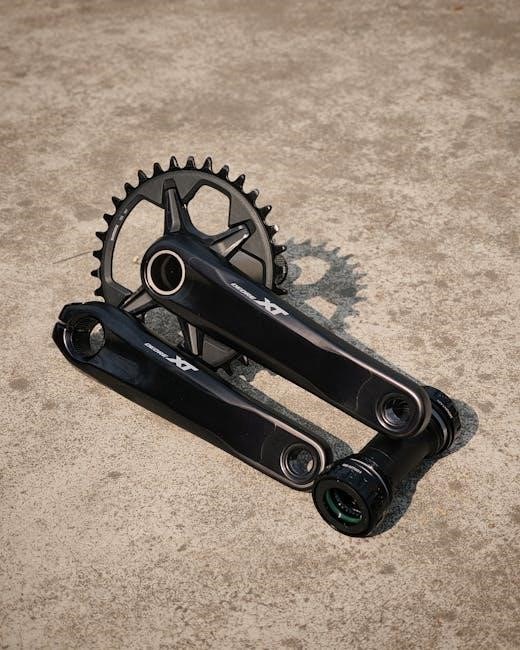
Navigating the world of bicycle chainrings requires understanding their impact on performance, from conquering steep inclines to achieving optimal speed on varied terrains․
Chainrings are a pivotal component of a bicycle’s drivetrain, directly influencing a rider’s ability to efficiently transfer power to the wheels․ They are the toothed wheels attached to the crankset, and where the bicycle chain engages to propel the bike forward․ Understanding chainrings is crucial for optimizing performance, whether prioritizing climbing ability or maximizing speed on flat ground․
Selecting the appropriate chainring size isn’t merely about choosing a number; it’s about tailoring your gearing to your specific riding style, terrain, and fitness level․ Factors like Bolt Circle Diameter (BCD) and tooth count play significant roles in determining compatibility and overall gear ratios․ Regular maintenance and awareness of wear are also essential for ensuring a smooth and reliable ride, preventing issues like dropped chains;
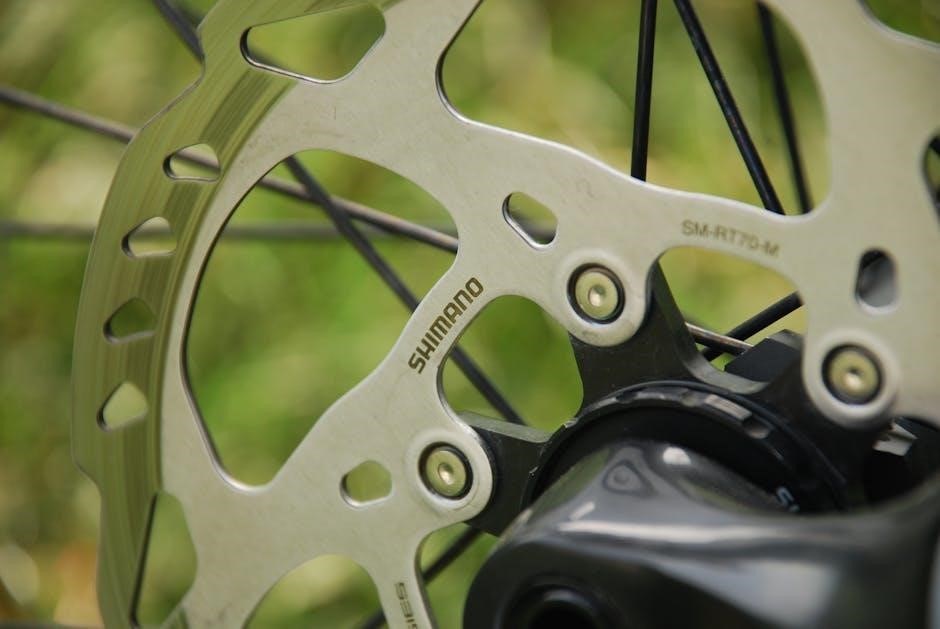
What are Chainrings and Why Do They Matter?

Chainrings are the heart of your bicycle’s power transfer system, directly connected to the crank arms and responsible for converting your pedaling effort into forward motion․ They are the toothed wheels that mesh with the bicycle chain, initiating the drivetrain’s process․ Their importance stems from their direct impact on gearing – influencing how easily you can climb hills, maintain speed on flats, and accelerate․

Choosing the right chainring size dramatically affects your riding experience․ Larger chainrings offer higher gears for speed, while smaller ones provide lower gears for easier climbing․ Chainring wear, caused by grit and friction, can lead to dropped chains and inefficient power transfer, highlighting the need for regular inspection and timely replacement․ Optimizing chainring selection is fundamental to maximizing your cycling efficiency and enjoyment․
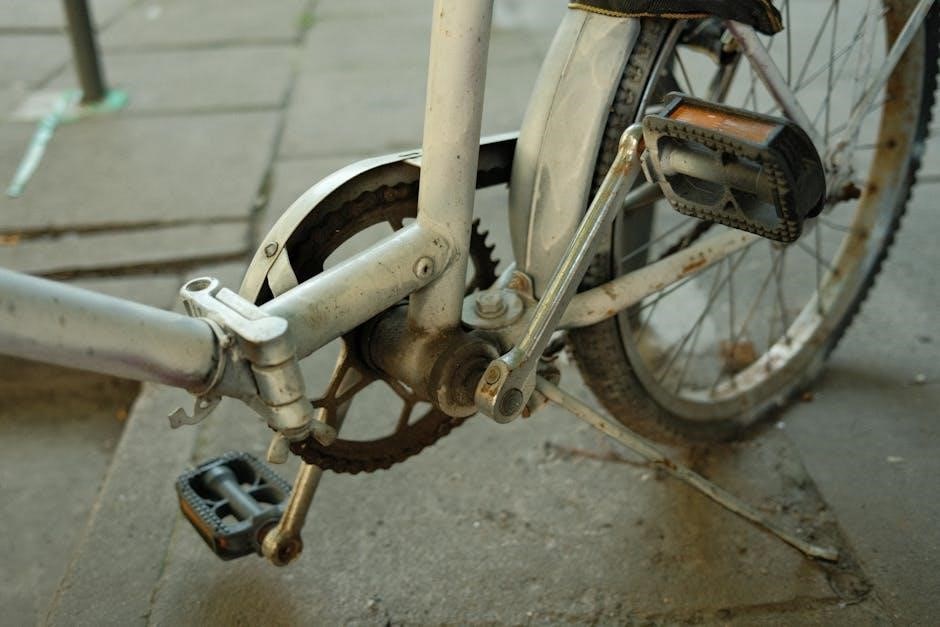
Chainring Anatomy: Key Components
Chainrings aren’t simply flat discs with teeth; they comprise several key components working in unison․ The teeth themselves are the primary contact point with the chain, their shape and height influencing shifting performance and chain retention․ Bolt holes are crucial, dictating compatibility with specific cranksets based on the Bolt Circle Diameter (BCD)․
The chainring body provides structural integrity, typically constructed from aluminum, steel, or carbon fiber․ Shift pins, often found on modern chainrings, aid in smoother and more precise front shifting․ Finally, some chainrings feature ramps and pins designed to guide the chain during shifts, minimizing friction and preventing drops․ Understanding these components is vital for informed selection and maintenance․

Types of Chainrings

Chainrings are categorized based on the number of rings in a set and their intended use․ Single chainring setups, common in some mountain bike disciplines, offer simplicity and weight savings; Double chainring sets provide a versatile gear range for road cycling and general use, balancing climbing ability with speed․ Triple chainring configurations, once prevalent, offer the widest gear range but are now less common due to advancements in cassette technology․
Furthermore, chainrings differ between road and mountain bikes․ Road chainrings prioritize aerodynamics and efficiency on paved surfaces, while mountain bike chainrings emphasize durability, mud clearance, and chain retention over rough terrain․ The BCD (Bolt Circle Diameter) also varies significantly between these types, influencing compatibility with cranksets․
Single, Double, and Triple Chainring Sets
Single chainring setups are favored for simplicity and weight reduction, particularly in aggressive mountain biking․ They demand a wide-range cassette to compensate for the lack of multiple front chainrings․ Double chainring sets strike a balance, offering sufficient gearing for varied terrain without the complexity of a triple․ They are popular for road cycling and gravel riding, providing efficient power transfer․
Historically, triple chainring sets were common, delivering the broadest gear range for climbing and descending․ However, advancements in rear cassette technology have diminished their necessity․ Modern drivetrains often achieve similar or better gear ratios with a double or single setup, offering lighter weight and simplified shifting․ The choice depends on rider preference and terrain demands․
Road vs․ Mountain Bike Chainrings
Road bike chainrings prioritize efficiency and aerodynamics, typically featuring narrower, closely spaced teeth designed for smoother pedaling at higher speeds on paved surfaces․ They often utilize a compact or standard BCD (Bolt Circle Diameter) allowing for varied chainring size combinations․ Road chainrings generally have higher tooth counts, optimized for maintaining cadence on flat and rolling terrain․
Mountain bike chainrings, conversely, emphasize durability and mud shedding capabilities․ They boast wider, more robust teeth to handle rough terrain and prevent chain drops․ Narrow-wide tooth profiles are common, enhancing chain retention without a chain guide․ Mountain bike chainrings often have lower tooth counts, providing the necessary leverage for steep climbs and technical trails․

Understanding Bolt Circle Diameter (BCD)
Bolt Circle Diameter (BCD) is a crucial measurement when selecting replacement chainrings․ It refers to the diameter of the circle formed by the bolts that attach the chainring to the crankset․ Knowing your crankset’s BCD is essential for ensuring compatibility with new chainrings․
Different cranksets utilize different BCDs, dictating the possible chainring sizes that can be used․ The BCD determines the smallest chainring that can be mounted․ Common BCD sizes include 110mm, 130mm, and 144mm․ A smaller BCD, like 110mm, allows for smaller chainrings, often found in compact road setups․ Understanding BCD is vital for upgrading or replacing chainrings, guaranteeing a secure and functional drivetrain․
Common BCD Sizes and Compatibility
Several Bolt Circle Diameter (BCD) standards dominate the cycling world, each offering compatibility with specific cranksets and chainring configurations․ 110mm BCD is frequently found on compact road cranksets, enabling the use of smaller chainrings – often a 34t as the smallest ring on a double setup․
130mm BCD is common on standard road and some mountain bike cranksets, offering a wider range of compatible chainring sizes․ Larger 144mm BCDs are typically seen on older or higher-end cranksets, accommodating larger chainrings․ Always verify your crankset’s BCD before purchasing replacements to ensure a proper fit and optimal drivetrain performance․ Incorrect BCD chainrings simply won’t mount correctly․
Chainring Tooth Count Explained
Chainring tooth count directly influences your gearing and, consequently, your cycling experience․ A higher tooth count equates to a ‘harder’ gear, requiring more effort to pedal but delivering greater speed․ Conversely, a lower tooth count provides an ‘easier’ gear, ideal for climbing or maintaining cadence on challenging terrain․
Understanding this relationship is crucial for selecting the right chainring size for your riding style and the terrain you frequently encounter․ Chainrings are a fundamental part of the drivetrain, influencing speed and climbing ability․ Wolf Tooth’s diameter guide is a useful resource for establishing the maximum size you can use․
How Tooth Count Affects Gearing

The number of teeth on a chainring directly impacts the mechanical advantage you gain with each pedal stroke․ A larger chainring (higher tooth count) means more chain is pulled per revolution, resulting in a higher gear ratio – more distance covered per pedal stroke, but requiring greater force․ This is beneficial for flat terrain and descents where speed is paramount․
Conversely, a smaller chainring (lower tooth count) pulls less chain, creating a lower gear ratio․ This makes pedaling easier, ideal for climbing hills or maintaining a consistent cadence in challenging conditions․ The BCD (bolt circle diameter) defines the possible chainring sizes that can be used, influencing the smallest ring possible․
Determining the Right Chainring Size for Your Riding Style
Selecting the appropriate chainring size hinges on your typical riding conditions and personal preferences․ For riders frequently tackling steep climbs, a smaller chainring is crucial, providing the necessary leverage to conquer inclines without excessive strain․ This prioritizes ease of pedaling over outright speed․
However, if your rides predominantly involve flat terrain or descents, a larger chainring will allow you to maintain higher speeds with each pedal stroke․ Optimizing for different terrains often involves considering a compact or semi-compact chainset, offering a versatile range․ Wolf Tooth’s diameter guide can help establish maximum usable size․
Chainring Size for Climbing
When prioritizing climbing performance, a smaller chainring is paramount․ This reduces the force required to turn the pedals, making ascents more manageable, especially on steep gradients․ A compact chainset, featuring a smaller inner ring (typically 34T), is a popular choice for climbers․
The benefit lies in the lower gear ratios, allowing a higher cadence with less exertion․ This is particularly useful for sustained climbs where maintaining a consistent rhythm is key․ However, remember that a smaller chainring sacrifices some top-end speed on flatter sections․ Careful consideration of terrain is vital; a 34T ring allows for a smaller minimum size on a double chainset․
Chainring Size for Flat Terrain & Speed
For riders focused on flat terrain and maximizing speed, larger chainrings are the preferred option․ These provide higher gear ratios, enabling you to maintain a faster pace with each pedal stroke․ A standard or semi-compact chainset, with larger chainrings (e․g․, 50/34T or 52/36T), is commonly used․
Larger chainrings allow you to ‘turn over’ a bigger gear, translating to greater distance covered per revolution․ However, this comes at the cost of increased effort, particularly on inclines․ Optimizing chainring size for speed requires balancing gear ratios with your physical capabilities and typical riding conditions․ Wolf Tooth’s guide can help establish maximum usable size․
Chainring Wear and Maintenance
Chainrings, like all drivetrain components, are susceptible to wear and tear from consistent use and exposure to the elements․ Dirt and grit, acting as abrasive agents, gradually wear down the teeth with each pedal stroke․ Regular inspection is crucial for identifying signs of wear before they compromise performance or lead to chain issues․
Consistent chain lubrication minimizes abrasive wear, while periodic cleaning removes accumulated grime․ Excessive wear manifests as hooked or shark-tooth shaped teeth, indicating it’s time for replacement․ Ignoring wear can result in dropped chains and accelerated wear on the entire drivetrain․ Proactive maintenance extends chainring life and ensures smooth, efficient cycling․
Recognizing Chainring Wear
Identifying chainring wear is vital for maintaining optimal bike performance and preventing drivetrain issues․ A primary indicator is the shape of the teeth; healthy teeth have a symmetrical profile․ Worn teeth develop a distinct hooked or “shark-tooth” appearance, becoming noticeably pointed and asymmetrical․
Visually inspect the teeth for significant thinning or rounding․ Run a finger across the teeth – worn teeth will feel sharper and more uneven than newer ones․ Difficulty shifting, chain skipping under load, or increased chain noise are also telltale signs․ Regular checks, combined with consistent chain maintenance, will help you catch wear early and avoid costly repairs or replacements․
Chainring Replacement: When and How
Replacing chainrings becomes necessary when wear is significant, impacting shifting and drivetrain efficiency․ If teeth are severely hooked or missing, replacement is crucial․ The process typically involves removing the crankset, then unscrewing the old chainrings using a chainring bolt tool․
Ensure you have the correct replacement chainrings with the appropriate Bolt Circle Diameter (BCD) and tooth count․ Carefully torque the new chainring bolts to the manufacturer’s specifications – over-tightening can damage the chainring or crankset․ A properly installed chainring will improve shifting performance and extend the life of your chain․ Regular maintenance and timely replacement are key to a smooth ride․
Chainring Materials: Aluminum vs․ Steel vs․ Carbon Fiber
Chainrings are commonly constructed from aluminum, steel, or carbon fiber, each offering distinct advantages․ Aluminum is a popular choice due to its lightweight nature and affordability, providing a good balance of performance and cost․ Steel chainrings are incredibly durable and often more affordable than aluminum, making them suitable for high-wear applications․
Carbon fiber represents the premium option, offering the lightest weight and excellent stiffness․ However, carbon fiber chainrings are significantly more expensive and can be more susceptible to damage from impacts․ The ideal material depends on your budget, riding style, and performance priorities․ Consider the trade-offs between weight, durability, and cost when selecting chainring materials․
Chainring Compatibility with Cranks
Ensuring compatibility between chainrings and your bicycle cranks is crucial for a functional and safe drivetrain․ Chainring attachment relies heavily on the crank’s Bolt Circle Diameter (BCD), defining the possible chainring sizes․ Different cranks support specific BCDs – 110mm, 130mm, and 144mm are common – dictating which chainrings can be mounted․
It’s essential to verify your crank’s BCD before purchasing new chainrings․ Using incompatible chainrings can lead to improper shifting, chainline issues, or even damage to the drivetrain․ Some cranks are designed for direct-mount chainrings, eliminating the need for bolts and offering a cleaner aesthetic․ Always consult the manufacturer’s specifications to confirm compatibility․
Wolf Tooth Chainring Diameter Guide
Wolf Tooth provides a valuable resource for determining the maximum chainring size compatible with your specific bicycle setup․ Their diameter-by-tooth-count guide assists riders in optimizing gearing without encountering chainline or clearance issues․ This guide is particularly useful when considering larger chainring upgrades for improved speed and efficiency․
The guide considers factors like chainstay length and derailleur capacity, ensuring a smooth and reliable shifting experience․ Utilizing this tool helps prevent potential problems such as chain rub or compromised shifting performance․ It’s a practical approach to maximizing your drivetrain’s potential, offering a data-driven method for selecting the ideal chainring size for your riding needs and bike geometry․
Maximizing Chainring Size: Considerations
When aiming for a larger chainring, several crucial factors demand attention․ Chainstay length significantly impacts clearance; longer stays generally accommodate larger rings․ Derailleur capacity is paramount – ensure your rear derailleur can handle the increased chain length resulting from a larger chainring․ A proper chainline is essential for smooth shifting and minimizing wear, requiring careful assessment of crankset and bottom bracket spacing․
Furthermore, tire clearance must be verified to prevent rubbing․ Increased chain tension from a larger ring can also stress the drivetrain components, potentially leading to premature wear․ Carefully evaluate these considerations before upgrading, and consult resources like Wolf Tooth’s guide to ensure compatibility and optimal performance․ Prioritize a balanced approach for a reliable and efficient ride․
Resources for Chainring Selection
For informed chainring selection, several online resources prove invaluable․ BikeRadar offers comprehensive articles explaining drivetrain components, including detailed chainring guides․ Cycling News provides insights into different chainset options, helping you determine the ideal setup for your riding style․ Road․cc delves into the specifics of Bolt Circle Diameter (BCD) and its impact on chainring compatibility․
Additionally, Cycle Travel Overload presents a user-friendly guide to understanding chainring sizes, while Elitewheels offers a foundational overview of chainring function and optimization․ Wolf Tooth’s chainring diameter guide is particularly useful for establishing maximum size limitations based on your bike’s specifications․ These resources empower cyclists to make well-informed decisions, ensuring optimal performance and enjoyment․