
Finding the right mountain bike size is crucial for control‚ comfort‚ and efficiency․ Specialized offers detailed sizing guides‚ emphasizing fit over simply matching height charts․
Why Proper Bike Size Matters
A correctly sized mountain bike dramatically enhances your riding experience․ Specialized emphasizes that optimal sizing isn’t solely about height; it’s about achieving a balanced and efficient riding position․ This impacts handling‚ power transfer‚ and overall control on varied terrain․ An ill-fitting bike leads to discomfort‚ fatigue‚ and potentially‚ injury․ Proper sizing allows for confident maneuvering‚ efficient pedaling‚ and reduced strain on your body‚ ultimately maximizing enjoyment and performance on the trails․ Specialized’s guides prioritize finding a bike that feels right‚ not just looks right based on a chart․
The Impact of Incorrect Size
Riding a mountain bike that’s too large or too small significantly hinders performance and comfort․ A bike that’s too big can feel unstable and difficult to control‚ leading to reduced confidence and increased risk of crashes․ Conversely‚ a bike that’s too small restricts movement‚ causing cramped positioning and inefficient pedaling․ Specialized highlights that incorrect sizing strains joints and muscles‚ accelerating fatigue․ This negatively impacts your ability to navigate technical trails effectively‚ diminishing the overall enjoyment of the ride and potentially causing long-term physical issues․
Understanding Mountain Bike Geometry
Specialized focuses on geometry—reach‚ stack‚ and angles—to optimize handling and fit․ These measurements define the bike’s character and how it interacts with the terrain․
Reach and Stack Explained
Reach‚ measured horizontally from the bottom bracket to the head tube‚ dictates how stretched out you’ll be․ A longer reach generally provides more stability at speed‚ while a shorter reach enhances maneuverability․ Stack‚ the vertical distance from the bottom bracket to the head tube‚ influences handlebar height and overall riding position․
Specialized emphasizes these measurements as key to finding a comfortable and efficient fit‚ moving beyond traditional frame size designations․ Understanding your ideal reach and stack‚ combined with stem length adjustments‚ allows for precise bike fit customization․ Specialized provides detailed reach and stack figures for each bike model and size on their website‚ aiding in accurate selection․
Top Tube Length and its Significance
Top tube length‚ traditionally a primary sizing indicator‚ is now viewed alongside reach by Specialized․ It’s the horizontal distance from the head tube to the seat tube․ A longer top tube stretches your torso‚ promoting a more aggressive‚ stable riding position‚ ideal for descending․
Conversely‚ a shorter top tube offers increased maneuverability and a more upright posture․ Specialized’s sizing philosophy prioritizes reach and stack for a modern fit‚ but top tube length remains a relevant factor‚ especially when comparing bikes across different brands․ Consider it in conjunction with other measurements for optimal comfort․
Head Tube Angle and Handling
Specialized utilizes head tube angle to fine-tune a bike’s handling characteristics․ A slacker (more relaxed) head tube angle – typically 64-67 degrees on modern mountain bikes – increases stability at high speeds and confidence on steep descents․ This geometry shifts the wheel’s contact point further forward․
A steeper head tube angle (around 68-70 degrees) provides quicker steering and enhanced responsiveness for climbing and navigating tighter trails․ Specialized considers intended use when determining the optimal head tube angle for each model‚ balancing stability with agility․
Seat Tube Angle and Pedaling Efficiency
Specialized strategically adjusts seat tube angles to maximize pedaling efficiency and rider comfort․ Modern mountain bikes‚ including Specialized models‚ often feature steeper seat tube angles – typically 74-78 degrees․ This positions the rider more over the bottom bracket‚ improving power transfer during climbs and accelerations․
A steeper angle also enhances climbing ability by preventing weight from shifting rearward․ Specialized considers rider position and intended use‚ balancing efficiency with all-day comfort on varied terrain․ Proper saddle positioning is crucial to realize these benefits․
Measuring Yourself for a Mountain Bike
Accurate self-measurement is key to finding your Specialized bike size․ Focus on inseam‚ torso length‚ and standover height for a precise fit assessment․
Standover Height Measurement
Standover height is a traditional‚ yet still valuable‚ measurement for mountain bike sizing․ To determine yours‚ stand over the bike’s top tube with both feet flat on the ground․ There should be 1-3 inches (2․5-7․6 cm) of clearance between the top tube and your crotch․
Specialized emphasizes this isn’t the only factor‚ as modern geometries differ․ However‚ it’s a good starting point‚ especially for beginners․ Ensure you’re wearing the shoes you’ll typically ride in․ Insufficient standover height can lead to discomfort and potential injury during dismounts‚ while excessive height can hinder control․
Inseam Measurement for Bike Fit
Accurate inseam measurement is fundamental to finding your ideal Specialized mountain bike size․ Stand with your back against a wall‚ wearing cycling shoes․ Measure from the floor to your crotch – this is your inseam․ Specialized utilizes inseam data alongside height to refine size recommendations․
Unlike standover height‚ inseam directly impacts saddle height and overall reach․ A proper inseam measurement ensures optimal leg extension and pedaling efficiency․ Specialized’s online size guide requests this measurement for a more personalized fit suggestion‚ complementing traditional height-based charts․
Torso Length and Bike Fit
Torso length‚ often overlooked‚ significantly influences mountain bike fit‚ particularly reach and handlebar positioning․ Measure from the top of your sternum to your pubic bone․ Specialized considers torso length to determine the appropriate frame size and stem length for a comfortable‚ controlled riding position․
A longer torso generally benefits from a longer reach‚ while a shorter torso may require a shorter reach․ Specialized’s sizing tools may incorporate torso length‚ alongside inseam and height‚ for a more precise fit recommendation‚ enhancing comfort and handling․
Mountain Bike Size Charts by Type
Specialized provides distinct size charts for each bike category—hardtail‚ full suspension‚ and downhill— recognizing geometry variations impact optimal fit for intended riding styles․
XS‚ S‚ M‚ L‚ XL – Deciphering Sizes
Specialized‚ like most brands‚ utilizes a standard sizing nomenclature: XS‚ S‚ M‚ L‚ and XL․ However‚ these letters aren’t universally equivalent․ Specialized’s charts correlate these sizes to rider height ranges‚ but also emphasize reach measurements for a more precise fit․
It’s vital to consult Specialized’s specific size chart for the exact model you’re considering‚ as geometry differs․ Don’t solely rely on height; consider your inseam and torso length․ A size ‘M’ in a trail bike might feel different than a ‘M’ in a cross-country bike․
Specialized also provides detailed geometry charts‚ allowing comparison of reach‚ stack‚ and other key dimensions to find the best fit for your body and riding style․
Hardtail Mountain Bike Sizing
Specialized hardtails generally prioritize a more upright and comfortable riding position․ When sizing a Specialized hardtail‚ focus on reach and standover height․ A slightly shorter reach can enhance maneuverability‚ crucial for technical trails․
Consider your riding style; aggressive riders might prefer a size up for increased stability at speed‚ while beginners may benefit from a more compact fit․ Specialized’s size charts for models like the Rockhopper or Fuse provide specific recommendations based on height and inseam․
Always prioritize a comfortable standover clearance of at least 1-2 inches․
Full Suspension Mountain Bike Sizing
Sizing Specialized full-suspension bikes‚ like the Stumpjumper or Enduro‚ demands careful consideration․ Reach is paramount‚ influencing weight distribution and stability․ Specialized encourages riders to prioritize reach over traditional top tube length․
A longer reach generally provides more stability at speed and on descents‚ while a shorter reach enhances agility․ Utilize Specialized’s online size guide‚ factoring in your riding style and terrain․
Ensure adequate standover clearance and consider a professional bike fit for optimal setup and performance․
Downcountry Bike Sizing
Specialized’s downcountry bikes‚ such as the Epic Evo‚ blend trail capability with cross-country efficiency․ Sizing focuses on a balance between climbing prowess and descending confidence․ Reach remains a key metric‚ but a slightly more conservative approach is often recommended compared to enduro bikes․
Consider your preferred climbing style – seated or standing – as this impacts optimal reach and stack․
Specialized’s size charts provide a starting point‚ but test rides and professional fit advice are invaluable for dialing in the perfect fit for efficient pedaling and control․
Enduro/Trail Bike Sizing
Specialized’s enduro and trail bikes‚ like the Stumpjumper and Demo‚ prioritize descending performance and stability․ A longer reach is generally preferred for increased confidence at speed and better control on technical terrain․
Sizing leans towards the larger end of the spectrum‚ allowing for a more aggressive‚ centered riding position․
Stack height also becomes crucial‚ influencing handling and comfort on steep descents․ Specialized’s guides suggest considering your skill level and terrain when selecting a size‚ emphasizing a confident and controlled feel․
Factors Influencing Your Ideal Size
Specialized emphasizes that bike fit isn’t solely about size; riding style‚ component choices‚ and individual preferences significantly impact the optimal fit for each rider․
Riding Style and Aggressiveness
Specialized’s sizing philosophy considers how you intend to ride․ More aggressive riders‚ tackling technical trails and descents‚ often benefit from a slightly longer reach and slacker head tube angle for increased stability․ This demands a larger frame size․ Conversely‚ riders prioritizing climbing and efficiency might prefer a more compact bike with a shorter reach․
Consider your typical terrain and the intensity of your rides․ Do you prioritize playful maneuverability or high-speed stability? Specialized suggests erring on the larger side if you’re between sizes and lean towards aggressive riding‚ allowing for a more confident and controlled experience on challenging trails․
Component Choices (Stem Length‚ Seatpost)
Specialized acknowledges that stem length and seatpost adjustments significantly impact fit․ A shorter stem increases maneuverability‚ while a longer stem enhances stability – these can fine-tune reach․ Seatpost height affects pedaling efficiency and comfort; proper adjustment is vital․
When selecting a size‚ consider your preferred stem length․ Specialized’s size charts assume a standard stem length․ If you deviate significantly‚ adjust the frame size accordingly․ A longer seatpost can compensate for a slightly smaller frame‚ but avoid excessive seatpost exposure․
Brand-Specific Sizing Variations
Specialized’s sizing differs from other brands due to unique geometry philosophies․ Their bikes often run slightly larger‚ emphasizing longer reach measurements for improved stability at speed․ Comparing Specialized’s size charts directly to Trek or Giant isn’t advisable․
Always consult Specialized’s official sizing guide for the specific model you’re considering․ They provide detailed charts and recommendations based on rider height and inseam․ Test rides are crucial to confirm the fit‚ as geometry nuances impact the overall riding experience․
Using Online Bike Size Calculators
Online calculators offer a starting point‚ but Specialized’s unique geometry requires caution․ Verify results with their official size chart for accuracy․
Popular Online Sizing Tools
Numerous websites attempt to predict your ideal mountain bike size‚ but results vary․ Competitive Cyclist and BikeInsights are frequently cited for their comprehensive algorithms‚ considering body measurements and riding style․ However‚ Specialized’s geometry differs‚ making these tools less precise․
Specialized themselves offer a “Bike Finder” quiz on their website‚ a more tailored approach․ Remember these tools provide estimates; a professional bike fit or careful comparison with Specialized’s detailed size charts remains essential for optimal results; Don’t solely rely on automated suggestions․
Limitations of Online Calculators
Online bike sizing tools offer a starting point‚ but possess inherent limitations․ They often generalize body proportions and fail to account for individual flexibility or riding preferences․ Specialized’s unique geometry‚ prioritizing specific handling characteristics‚ isn’t always accurately reflected in generic algorithms․
Furthermore‚ these calculators can’t assess your skill level or intended terrain․ A calculator suggests a size; it doesn’t guarantee a comfortable or efficient ride․ Always cross-reference with Specialized’s official sizing guide and consider a professional bike fit for personalized accuracy․

Professional Bike Fitting
Specialized advocates for professional bike fits‚ ensuring optimal contact points and maximizing power transfer․ Experts analyze your biomechanics for a tailored setup․
Benefits of a Professional Fit
A Specialized Body Geometry Fit addresses individual needs‚ going beyond basic sizing charts; This process minimizes injury risk by optimizing your position‚ enhancing pedaling efficiency‚ and improving overall comfort on the trails․ Experts analyze your flexibility‚ body proportions‚ and riding style to pinpoint adjustments․
These adjustments include saddle height‚ fore/aft position‚ handlebar reach‚ and stem length․ A proper fit translates to increased power output‚ reduced fatigue‚ and a more enjoyable riding experience․ Specialized retailers utilize advanced tools and techniques for precise measurements and personalized recommendations‚ ultimately unlocking your full potential․
What to Expect During a Bike Fit
A Specialized Body Geometry Fit begins with a comprehensive interview discussing your riding history‚ goals‚ and any physical limitations․ Expect a physical assessment evaluating your flexibility‚ core strength‚ and posture․ Technicians then utilize video analysis to observe your riding form on a stationary trainer․
Precise measurements of your body dimensions are taken‚ informing adjustments to saddle height‚ handlebar position‚ and cleat placement․ The fitter will make iterative changes‚ gathering your feedback to refine the fit until optimal comfort and efficiency are achieved․ Expect a detailed report outlining the fit recommendations․

Adjusting Your Bike for a Better Fit
Fine-tuning your bike post-purchase is key․ Specialized recommends adjusting saddle height‚ stem length‚ and handlebar position for personalized comfort and control on trails․
Saddle Height Adjustment
Proper saddle height maximizes pedaling efficiency and prevents injury․ Specialized suggests starting with your heel on the pedal at the bottom of the stroke‚ leg fully extended․ From there‚ adjust upwards slightly‚ aiming for a nearly-locked-out leg when the crank is at its lowest point․
Small adjustments – a few millimeters at a time – can make a significant difference․ Observe your knee angle during pedaling; it should have a slight bend throughout the stroke․ Too high‚ and you’ll rock side-to-side; too low‚ and you’ll waste energy․ Specialized’s fit videos offer detailed guidance․
Stem Adjustment for Reach
Stem length influences your reach to the handlebars‚ impacting comfort and control․ Specialized recommends adjusting the stem to achieve a comfortable‚ neutral riding position․ A shorter stem provides more responsive steering‚ ideal for technical trails‚ while a longer stem offers stability at higher speeds․
Start with the stem length recommended for your frame size‚ then make small adjustments (5-10mm increments)․ Your elbows should be slightly bent‚ and your weight evenly distributed․ Specialized’s Body Geometry fit principles emphasize a natural‚ relaxed posture․
Handlebar Adjustment for Comfort
Handlebar width and rise significantly affect comfort and control on a Specialized mountain bike․ Wider handlebars offer increased leverage and stability‚ beneficial for aggressive trail riding‚ while narrower bars enhance maneuverability in tight spaces․
Specialized suggests experimenting with handlebar width to find what feels most natural․ Adjusting the rise (angle) impacts your riding posture; a higher rise provides a more upright position‚ reducing strain on your back and shoulders․ Prioritize a comfortable grip and relaxed upper body․
Common Sizing Mistakes to Avoid
Don’t solely rely on height charts; Specialized emphasizes test rides and professional fitting to avoid choosing a bike that’s too large or small for optimal performance․
Choosing a Bike Too Large
Selecting a mountain bike that’s too large can severely hinder your riding experience and control․ With a frame that’s disproportionate to your body‚ reaching the handlebars becomes strained‚ impacting steering precision and causing discomfort․ Specialized’s sizing guides warn against this‚ as it leads to an overextended riding position․
This can result in reduced power transfer‚ increased fatigue‚ and a higher risk of injury‚ particularly on technical trails․ Standover clearance becomes insufficient‚ posing a safety hazard during dismounts․ Prioritize a comfortable reach and manageable bike handling over simply opting for a larger frame size‚ as recommended by Specialized․
Choosing a Bike Too Small
Opting for a mountain bike that’s too small creates a cramped and inefficient riding position․ Your knees will feel excessively bent‚ limiting pedaling power and causing discomfort on longer rides․ Specialized’s sizing philosophy stresses avoiding this scenario‚ as it restricts movement and hinders performance․
Handling becomes twitchy and unstable‚ especially at higher speeds‚ reducing confidence on challenging terrain․ A too-small frame compromises reach‚ forcing an overly aggressive posture․ Prioritize adequate space for comfortable pedaling and controlled steering‚ following Specialized’s guidance for optimal fit․

Sizing for Different Body Types
Specialized acknowledges varied physiques; standard sizing charts are a starting point․ Consider limb length and torso proportions for a personalized fit‚ maximizing comfort and control․
Sizing for Shorter Riders
For riders under 5’6”‚ Specialized recommends prioritizing standover height and reach․ XS and small frames are often suitable‚ but focus on maintaining a comfortable reach without excessive stretching․
Consider shorter cranks and narrower handlebars for improved control․
Specialized’s sizing tools suggest potentially sizing down from typical recommendations‚ emphasizing a confident and manageable riding position․
Don’t hesitate to explore women’s-specific models‚ which often feature geometry tailored for shorter torsos and limbs‚ enhancing overall fit and handling․ A professional bike fit is invaluable․
Sizing for Taller Riders
Riders exceeding 6’0” often require larger frame sizes – typically large or extra-large from Specialized․ Prioritize sufficient legroom and a comfortable reach to avoid feeling cramped․
Longer stems and wider handlebars may be necessary for optimal control and stability․
Specialized’s sizing charts suggest considering reach measurements carefully‚ ensuring a balanced and powerful riding position․
Don’t automatically assume the largest size is best; a professional bike fit is crucial to confirm proper proportions and prevent discomfort․
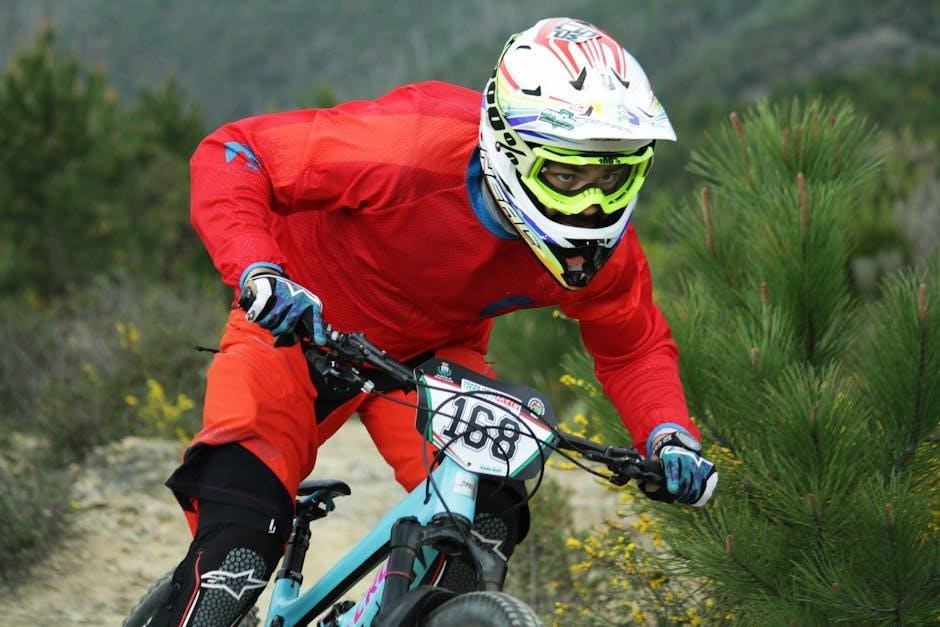
Kids’ Mountain Bike Sizing
Specialized focuses on wheel size for kids’ bikes‚ prioritizing standover height and a comfortable reach․ Growth is key; allow some room for expansion․
Wheel Size vs․ Frame Size
For kids’ mountain bikes‚ Specialized prioritizes wheel size as the primary sizing factor‚ rather than traditional frame sizes (XS‚ S‚ M)․ This approach focuses on proportional fit and handling․ Smaller wheels offer better control and confidence for younger riders‚ while larger wheels roll over obstacles more efficiently․
Frame size becomes less critical within a given wheel size‚ as Specialized designs frames to accommodate a range of inseam lengths․ Consider the child’s height and inseam when selecting a wheel size․ A properly sized wheel allows the child to comfortably reach the pedals and handlebars‚ fostering a positive riding experience and promoting skill development․
Growth Considerations
When purchasing a kids’ mountain bike from Specialized‚ it’s tempting to size up to allow for growth‚ but this can compromise control and safety․ A bike that’s too large is harder to handle and can hinder skill development․ Specialized recommends prioritizing a proper fit now‚ rather than anticipating future growth․
Consider a bike with adjustable components‚ like seatpost height‚ to provide some flexibility as the child grows․ Regularly assess the fit and be prepared to size up when the child has genuinely outgrown the current bike‚ ensuring continued comfort and confidence on the trails․

Resources for Further Research
Specialized’s website provides comprehensive sizing tools and FAQs․ Local bike shops offer expert advice and fitting services for optimal bike selection․
Online Forums and Communities
Engaging with online mountain biking communities can provide invaluable insights into Specialized bike sizing․ Forums like Reddit’s r/MountainBiking and dedicated Specialized owner groups often feature discussions about real-world fit experiences․ Riders share their height‚ inseam‚ and chosen bike size‚ offering a practical reference point beyond official charts․
These platforms allow you to ask specific questions about models and receive personalized advice from experienced riders․ Remember to consider individual preferences and riding styles when interpreting feedback‚ as fit is subjective․ Websites dedicated to bike reviews frequently include sizing discussions in their comment sections‚ adding another layer of community knowledge․
Bike Shop Expertise
Leveraging the knowledge of experienced staff at a reputable bike shop is paramount when determining your Specialized mountain bike size․ Trained professionals can assess your body geometry and riding style to recommend the optimal frame size․
Specialized dealers often have demo bikes available‚ allowing you to test ride different sizes and feel the nuances of each fit․ A skilled bike fitter can provide personalized adjustments and guidance‚ ensuring a comfortable and efficient riding experience․ Don’t hesitate to ask questions and discuss your specific needs with the shop’s experts․