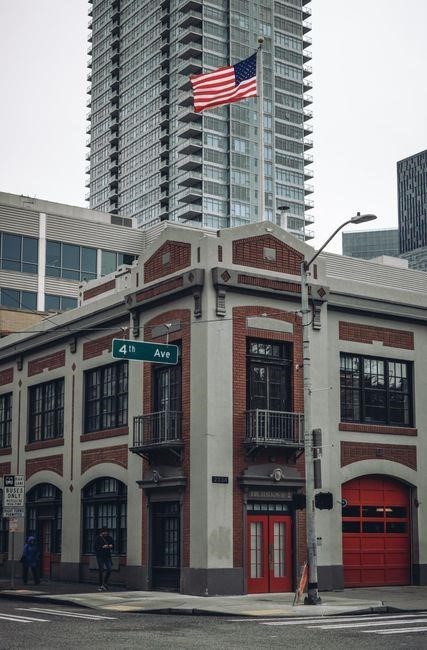
Overview of FDNY Probie Manual
The FDNY Probationary Firefighter Manual outlines duties, safety protocols, and training standards for new recruits. It details engine company tools, PPE requirements, and performance assessment criteria, serving as a foundational guide for career firefighters. It also covers drug testing policy.
Historical Development and Publication History
The FDNY Probationary Firefighter Manual has evolved through several editions since its inception in the early 1990s. The first formal edition appeared in 1992, coinciding with the introduction of color‑coded pump panels on all engines purchased after December 1, 1992, which helped eliminate hose‑line confusion. Subsequent revisions incorporated lessons learned from high‑profile incidents, including the 2017 engine company tools update (Chapter 11) and the 2025 edition that addressed new safety protocols following a fatal medical episode in 2024. The 2026 revision, released in early 2026, integrated emerging firefighting technology such as advanced thermal imaging and updated hazardous materials handling procedures. Each edition is distributed as a PDF and an eBook, with the latest version available through the FDNY training portal and the AnyFlip platform. The manual’s publication history reflects the department’s commitment to continuous improvement and adherence to evolving federal and state regulations. Each edition undergoes a review by the FDNY Training Board, incorporating feedback from active duty personnel and research on fire science. The 2026 update introduced an app that streamlines access to incident data and safety checklists, reinforcing the department’s commitment to technology‑driven excellence. Additionally, the manual now includes a section on mental health, providing access to counseling services for daily probationary firefighters.
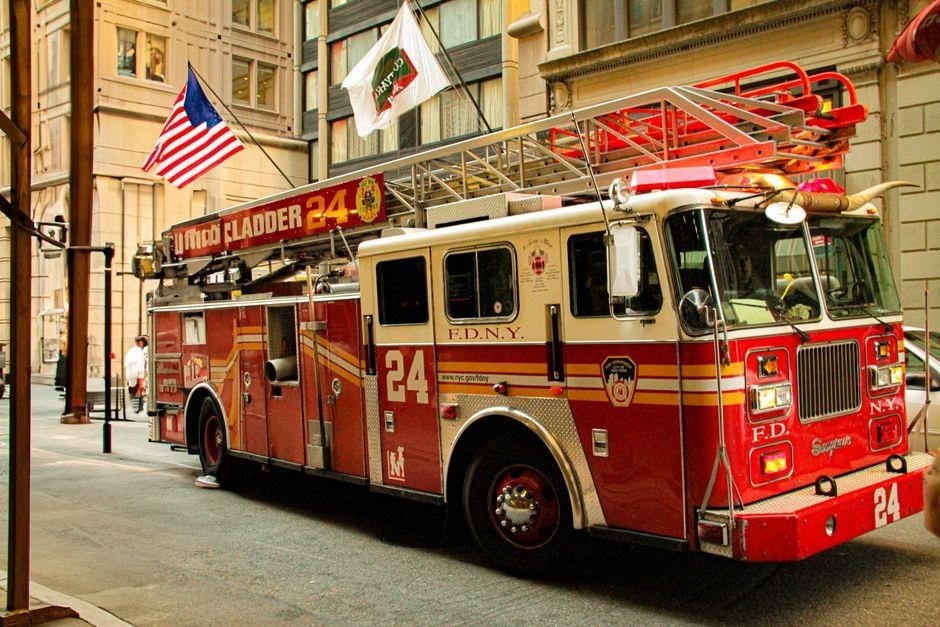
Structure and Organization of the Manual
The manual is divided into nine sections covering core areas: introduction, safety, training, equipment, health, updates and appendices. It follows a logical flow from concepts to procedures, with references and index entries for lookup daily.
Table of Contents and Chapter Breakdown
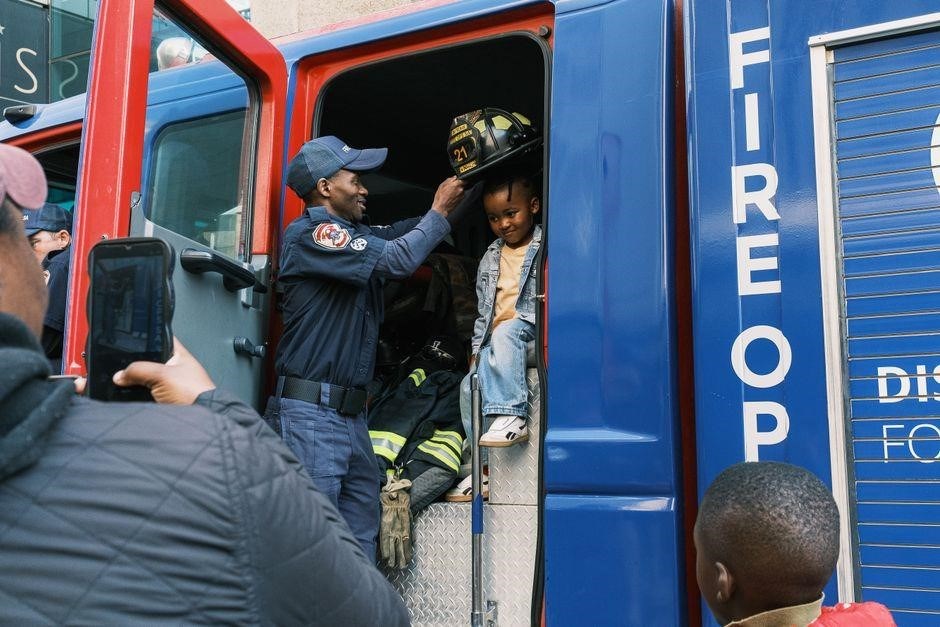
The FDNY Probationary Firefighter Manual’s table of contents is meticulously arranged to guide new recruits through each critical phase of their early career. It begins with an introductory overview that explains the department’s mission, vision, and core values, followed by a concise outline of the probationary period’s expectations. Subsequent chapters are divided into thematic blocks, each addressing a specific competency area. Chapter 1 covers Orientation and Departmental Culture, detailing the FDNY’s history, organizational structure, and the importance of teamwork. Chapter 2 focuses on Safety Fundamentals, introducing personal protective equipment (PPE), hazard recognition, and emergency response protocols. Chapter 3 delves into Engine Company Operations, detailing engine crew roles, hose handling, and color‑coded hose identification. Chapter 4 explains Tactical Firefighting Techniques, covering search and rescue, ventilation, and structural collapse procedures. Chapter 5 addresses Hazardous Materials Awareness, discussing chemical, biological, and radiological threat identification and mitigation. Chapter 6 covers Health and Wellness, outlining fitness standards, medical screening, and substance‑abuse policies. Chapter 7 presents Performance Evaluation, detailing probationary assessment criteria and documentation requirements. Chapter 8 focuses on Equipment and Tool Standardization, providing specifications for standard tools, apparatus, and maintenance schedules. Chapter 9 summarizes Continuous Improvement and Updates, highlighting recent revisions, technology integration, and future training initiatives. Each chapter contains clear objectives, step‑by‑step procedures, illustrative diagrams, and reference tables to ensure consistent application across all firehouses. The manual concludes with appendices that include checklists, contact information, and a glossary of terms. This comprehensive structure ensures that every probationary firefighter receives a uniform, thorough education, enabling them to perform safely and effectively in the demanding environment of New York City’s fire service.
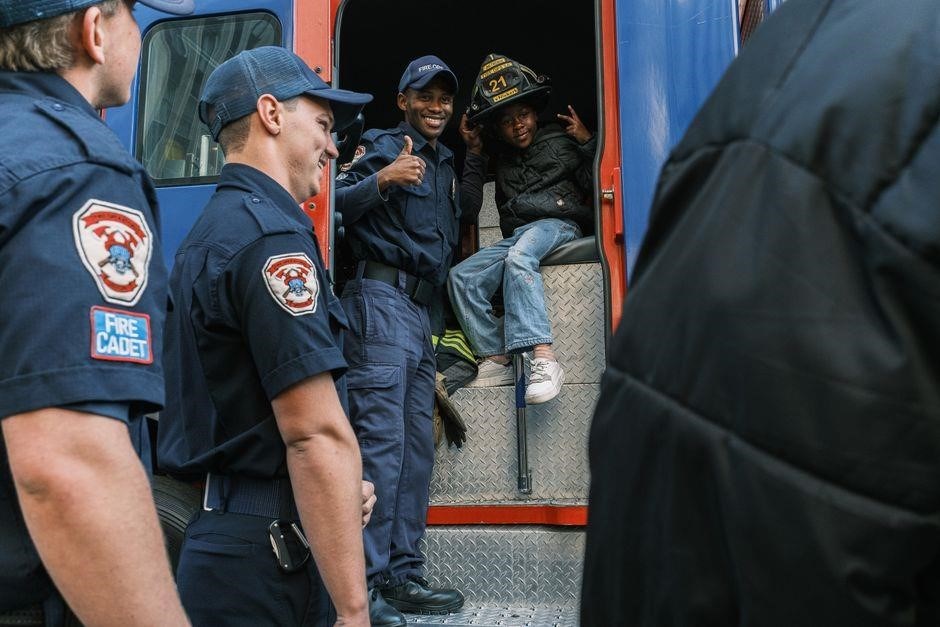
Key Safety Protocols for New Firefighters
New recruits must master PPE donning, hazard recognition, and command. They learn to inspect gear, use fire extinguishers, and perform breathing apparatus checks. Safety drills emphasize situational awareness, communication, and quick response.
Hazardous Materials Handling and PPE Requirements
New firefighters receive intensive training on hazardous materials (HAZMAT) protocols. The manual mandates a step‑by‑step approach: identify the material, assess risk, isolate the area, and notify the HAZMAT team. Personal protective equipment (PPE) is strictly tiered. Level A suits, powered air‑purifying respirators (PAPRs), and full‑face masks are required for Category 1 threats. Level B suits and half‑mask respirators are used for Category 2. Level C suits protect against lower‑concentration hazards and are paired with self‑contained breathing apparatus (SCBA). The manual specifies donning order, inspection checklist, and decontamination procedures. Decontamination involves a three‑stage process: rinse, wipe, and chemical neutralizer, followed by a final rinse. All PPE must be inspected for integrity before use, and any compromised gear is immediately replaced. The manual also outlines record‑keeping for PPE usage, maintenance logs, and incident reports to ensure accountability and compliance with NFPA 1500 standards. Continuous refresher courses are required annually to keep skills sharp and knowledge current. Additionally, the manual stresses the importance of proper waste segregation and the use of spill kits to contain leaks during transport. Employees must also complete a written competency test covering chemical classification, PPE selection, and emergency response protocols.

Training Requirements and Evaluation
Training mandates 12‑week academy, 200‑hour field training, and quarterly skill drills. Evaluation uses a rubric covering physical fitness, technical knowledge, teamwork, and decision‑making. Scores determine promotion eligibility and identify improvement areas. All metrics logged digitallynow.
Probationary Firefighter Performance Assessment Criteria
Each probationary firefighter undergoes a structured assessment framework that blends quantitative metrics with qualitative observations. The core components are: Physical Fitness—measured by the 1‑mile run, push‑ups, and obstacle course, each benchmark calibrated to the FDNY standard. Technical Proficiency—evaluated through scenario‑based drills covering hose deployment, ventilation, and rescue operations, scored on accuracy and speed. Team Dynamics—rated by supervisors on communication, leadership potential, and adherence to chain of command. Safety Compliance—assessed through correct use of PPE, hazard recognition, and incident reporting. Professional Development—tracked via completion of mandatory courses, self‑study modules, and peer feedback. Each criterion receives a weighted score, aggregated into a composite index that determines whether the firefighter passes the probationary period, requires remediation, or is promoted. Documentation is maintained in a secure digital log accessible to training officers and the probationary individual, ensuring transparency and continuous improvement. The assessment process is reviewed annually to align with evolving operational demands and regulatory changes, reinforcing the FDNY’s commitment to excellence and safety. Additionally, feedback loops involve peer reviews and instructor debriefs, creating a culture of continuous learning and accountability. The final composite score is presented to the probationary firefighter in a formal meeting, where strengths are highlighted and improvement plans are collaboratively developed. All records are archived for future reference.
Equipment and Tools Standardization
The FDNY Probie Manual mandates uniform toolkits for all engine companies, specifying standardized hoses, axes, and hydraulic tools. Color‑coded pump panels on engines post‑12/01/92 aid quick hose identification, while grease‑pencil markings on discharge elbows ensure clarity during emergencies. daily
Engine Company Toolkits and Color‑Coded Hose Identification
Engine companies are equipped with a standardized toolkit that includes axes, hydraulic tools, and hose assemblies, all listed in the Probie Manual’s chapter on equipment. Each engine purchased after December 1, 1992 features a color‑coded pump panel, a visual aid that eliminates confusion when selecting hoses during rapid deployment. The panels use a consistent color scheme—red for main line, blue for auxiliary, green for suction, and yellow for special applications—allowing firefighters to identify the correct hose at a glance. In addition, the manual instructs crews to mark the hose attached to the discharge elbow or the discharge gauge with a grease pencil, a quick, low‑cost method to confirm hose identity in the heat of an incident. These markings are verified during routine inspections and are part of the daily readiness checklist. The combination of color coding and grease‑pencil labeling ensures that every firefighter, regardless of experience level, can locate and deploy the correct hose assembly within seconds, thereby improving response times and reducing the risk of equipment mishandling. The toolkit also includes a calibrated hose wrench, a fire extinguisher, and a portable water pump, all of which are inspected monthly for wear and functionality. By maintaining a uniform set of tools and clear identification systems, the FDNY enhances operational efficiency and safety across all engine companies.
Quarterly audits verify toolkit integrity, and any discrepancies trigger corrective action. Probationary crews must demonstrate proficiency in hose handling during live drills, ensuring readiness for real‑world incidents.
Verified.!!
Health and Wellness Policies
The FDNY Probie Manual emphasizes physical fitness, mental health, and substance abuse prevention. New firefighters undergo regular fitness tests, counseling, and mandatory drug screenings. Wellness programs include nutrition guidance, stress‑management workshops, and peer support groups. All programs are evaluated annually!!
Drug Testing and Substance Abuse Prevention Programs
The FDNY Probationary Firefighter Manual mandates comprehensive drug testing and substance abuse prevention for all new recruits. Mandatory testing occurs at enlistment, during probation, and at random intervals thereafter. The program uses urine analysis for a broad panel of substances, including opioids, cannabinoids, stimulants, and prescription medications. Positive results trigger a mandatory counseling referral and a structured rehabilitation plan. The manual also outlines the “Prohibition of Drugs” policy, emphasizing zero tolerance for illicit drug use, and encourages participation in the Department’s Wellness and Recovery Program. This program offers confidential counseling, peer support groups, and educational workshops on the risks of substance abuse. The manual requires all probationers to complete a 12‑week educational course on drug awareness, legal ramifications, and health impacts before they can advance to full firefighter status. Additionally, the manual details a “Drug-Free Workplace” pledge that recruits must sign, affirming their commitment to remain drug‑free. The policy is reinforced by regular audits of compliance records and by the Department’s Office of Human Resources, which tracks each recruit’s testing history. The manual stresses that failure to comply with testing protocols or repeated violations results in suspension or dismissal. By integrating rigorous testing, education, and support, the FDNY aims to safeguard both firefighter health and public safety.
Key components include:
- Initial baseline testing upon enlistment.
- Quarterly random testing during probation.
- Mandatory counseling for any positive result.
- Rehabilitation program completion before promotion.
- Annual drug‑awareness refresher course.
Compliance is monitored by the Office of Human Resources, which logs all test results. Violations trigger disciplinary action from a warning to termination, based on severity and recurrence. Recruits may seek help via the FDNY Substance Abuse Prevention Hotline, available 24/7. Confidential.
Recent Updates and Revisions
The 2026 FDNY Probie Manual2026 updated integrates fire suppression tech, incident mapping,andPPE standards. It adds a chapter on drone reconnaissance, revises hazard communication protocols, and expands wellness policy to include mental health screening.2026!!
2026 Revisions and Integration of New Firefighting Technology
In 2026, the FDNY Probationary Firefighter Manual was overhauled to incorporate emerging technologies and updated safety standards. The revision introduces a dedicated section on autonomous aerial support, detailing operational protocols for drone‑based incident assessment, thermal imaging, and real‑time data transmission to command centers. It also expands the existing engine company tools chapter to include the latest color‑coded hose identification system, which now uses a dual‑layer barcode and RFID tag embedded in each hose reel for instant inventory and status checks. New PPE guidelines mandate the use of smart respirators equipped with CO₂ and particulate sensors that provide audible alerts when threshold limits are exceeded. The manual incorporates a modular training curriculum that leverages virtual reality simulators for high‑risk scenarios, allowing probationers to practice structural collapse response, hazardous material containment, and rapid deployment of portable water pumps. Additionally, the 2026 update establishes a digital logbook platform where firefighters record equipment usage, incident reports, and personal wellness metrics, which are automatically synced with the department’s central database. This integration enhances accountability, facilitates data‑driven decision making, and supports continuous improvement of firefighting tactics. Finally, the revision emphasizes interoperability with neighboring agencies by standardizing communication protocols and joint response drills, ensuring seamless coordination during multi‑agency incidents. The update also introduces a mobile data‑collection app that records heat‑map analytics, crew positions, and equipment status in real time. Probationers are trained to interpret these dashboards, enabling swift tactical adjustments during incidents. This digital integration supports evidence‑based decision making and continuous improvement across all fireground operations and safety daily!!