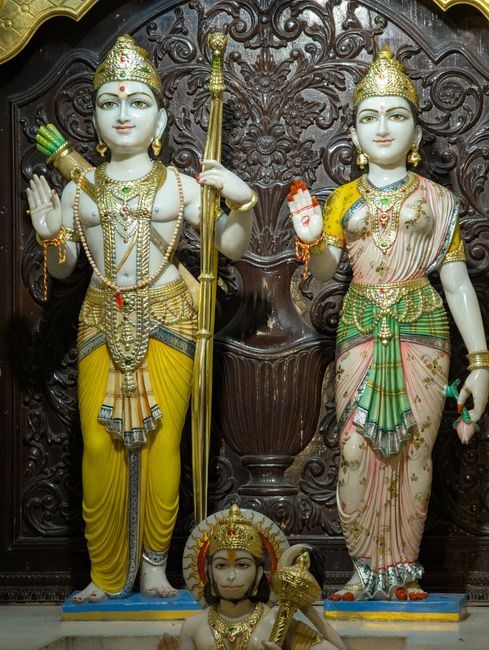
Overview of Sunderkand
Sunderkand, a celebrated chapter of the Ramayana, narrates Lord Rama’s triumph over Ravana. Available in English PDF, it offers a vivid retelling that blends devotion with literary flair, making it accessible to modern readers seeking spiritual insight and cultural heritage.
Its verses inspire devotion
Historical Context and Significance
The Sunderkand, a pivotal segment of the Ramayana, chronicles Lord Rama’s decisive victory over the demon king Ravana, culminating in the destruction of the asura realm. Traditionally attributed to Valmiki’s epic, this chapter has been preserved through centuries of oral recitation and manuscript transmission across South Asia. Its narrative not only underscores themes of dharma, valor, and divine justice but also reflects the socio‑cultural milieu of ancient India, where epic literature served as a vehicle for moral instruction and communal identity.
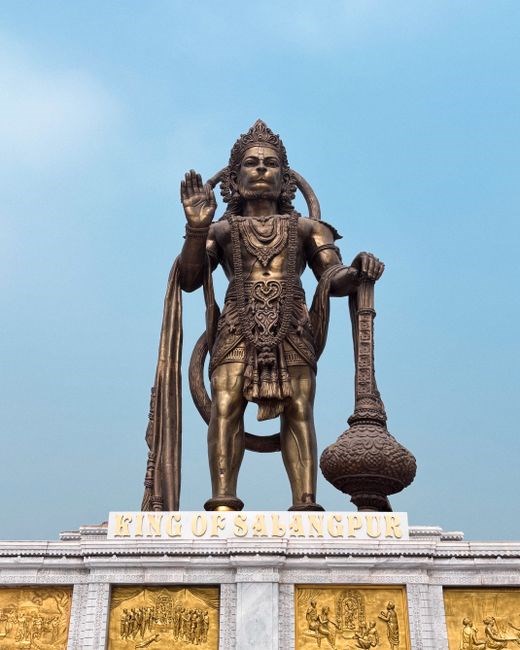
In the 20th and 21st centuries, the Sunderkand gained renewed prominence through modern translations and digital formats. English‑language PDFs have made the text accessible to a global audience, facilitating comparative studies with Sanskrit originals and other regional adaptations. Scholars highlight the chapter’s literary artistry, noting its rhythmic prose, vivid imagery, and the use of symbolic motifs such as the lotus‑shaped battlefield and the celestial weapons wielded by Rama.
Moreover, the Sunderkand’s significance extends beyond literary circles; it is a staple in devotional practices, recited during festivals like Dussehra and used in temple rituals across India, Nepal, and the diaspora. Its inclusion in contemporary anthologies and online repositories underscores its enduring relevance as both a spiritual guide and a cultural artifact. Its resonance continues to inspire contemporary adaptations and scholarly discourse worldwide!
Authorship and Textual Tradition
The authorship of the Sunderkand remains a subject of scholarly debate. While the epic Ramayana is traditionally credited to sage Valmiki, the Sunderkand is believed to have been composed by later commentators or regional poets who expanded upon Valmiki’s narrative. Textual evidence suggests that the Sunderkand was incorporated into the Ramayana during the Gupta period (4th–6th centuries CE), when Sanskrit literary culture flourished and many epic recensions were produced. Manuscript traditions reveal variations in verse count and diction, indicating a fluid transmission process that allowed local adaptations to flourish. The earliest surviving manuscripts, dating back to the 8th century, are housed in the libraries of Nalanda and the Bodh Gaya region, and they exhibit marginalia that reflect the devotional practices of the time. In modern times, English translations have been produced by scholars such as R. K. Sharma and S. N. Pandey, who sought to preserve the poetic cadence while making the text accessible to a global readership. These translations are often accompanied by extensive footnotes that contextualize mythological references and linguistic nuances. The digital age has further democratized access, with online repositories hosting scanned copies of ancient manuscripts and contemporary PDF editions. Consequently, the Sunderkand has become a living text, continuously reinterpreted by devotees, academics, and literary enthusiasts alike. Its digital presence also offers interactive e‑books and mobile apps for annotated reading nowtoday
Availability of Sunderkand PDF in English
English PDFs of Sunderkand are freely accessible via major digital libraries and devotional sites. Users can download full texts in PDF format, often accompanied by transliteration and commentary for deeper study. and PDF download links are available on platforms.
Major Online Repositories and Libraries
The most frequently cited online repositories for Sunderkand PDFs in English include the Internet Archive, which hosts a vast collection of digitized religious texts, and the Digital Library of India, offering free access to scanned copies of classic Sanskrit and vernacular works. Another prominent source is the Sacred Texts Archive, a volunteer‑run project that curates translations of Hindu epics and provides downloadable PDFs. The Project Gutenberg platform, while primarily known for public‑domain literature, occasionally features older editions of the Ramayana with English translations that encompass the Sunderkand. Additionally, the Sacred Texts Archive’s dedicated section for the Ramayana provides a direct link to the Sunderkand PDF after agreeing to the site’s terms of use. Project Gutenberg’s “Search” function can be used with the query “Sunderkand” to locate older editions, and the download button provides a direct link to the PDF. The Hinduism Today portal’s “Resources” tab lists PDF links under “Translations,” and clicking the link opens the file in a new browser tab. The University of Chicago’s Digital South Asia Library requires a free institutional login, after which the PDF can be downloaded from the “Documents” tab. The Indian Council of Historical Research’s portal requires a short registration, after which the PDF can be accessed from the “Download” section. These repositories typically provide metadata such as author, publication year, and ISBN, which aids in citation and academic referencing. and free.
Notable Publishers and Editions

Features of the English Translation
Sunderkand’s English PDF offers clear, poetic language, faithful verse rendering, and extensive footnotes. It balances literal accuracy with readability, aiding both devotional reading and academic study. It also offers a concise glossary and brief cultural overview
Translation Style and Language Choices
The English rendition of Sunderkand prioritizes a lyrical yet accessible prose that preserves the original meter while ensuring contemporary readability. Translators employ a dynamic equivalence approach, capturing the emotional nuance of the Sanskrit verses without rigid literalism. The text frequently uses idiomatic expressions familiar to modern audiences, thereby bridging cultural gaps. Careful attention is given to maintaining the rhythmic cadence of the original, with occasional footnote clarifications for complex metaphors. The translator’s preface outlines a philosophy of faithfulness balanced with clarity, noting that certain archaic terms are rendered in parentheses to preserve authenticity. Additionally, the translation incorporates a consistent use of capitalized divine epithets, aligning with traditional devotional conventions. The language is formal yet approachable, avoiding excessive archaic diction that might alienate contemporary readers. Overall, the style reflects a respectful homage to the source material while inviting new generations to engage with the epic’s timeless themes.
Readers often appreciate the translator’s choice to retain the rhythmic pulse of the original verses, allowing the narrative to flow naturally. The footnotes, while concise, provide essential context for cultural references, ensuring that modern audiences grasp the significance of symbolic actions. This balanced approach makes the text suitable for both devotional study and literary analysis. this!!!!??!
Annotated Commentary and Footnotes
The English Sunderkand PDF editions commonly feature extensive footnotes that illuminate cultural, theological, and literary nuances. Translators often adopt a scholarly approach, citing original Sanskrit shlokas, cross‑referencing verses from the Valmiki Ramayana, and providing brief exegeses that clarify symbolic actions. Footnotes are typically placed at the bottom of the page, allowing readers to follow the narrative flow while accessing explanatory material on demand. Many editions include a glossary of key terms such as “Sundara,” “Ravana,” and “Lakshmana,” ensuring that readers unfamiliar with Sanskrit terminology can grasp the text’s depth. In addition to linguistic explanations, commentary sections elaborate on the moral lessons embedded in each episode, drawing connections to contemporary ethical dilemmas. Some translators incorporate comparative notes that juxtapose the Sunderkand with parallel passages in the Ramcharitmanas, thereby offering a multi‑textual perspective. The footnote style varies: some use concise parenthetical remarks, while others provide full bibliographic citations that reference commentaries by eminent scholars like T. R. Ramachandra Rao and R. K. Sharma. This layered approach not only preserves the epic’s integrity but also encourages critical engagement, making the PDF a valuable resource for both devotional readers and academic researchers. Scholars note that footnotes also bridge traditional exegesis with modern scholarship, allowing readers to trace interpretive evolution. Cross‑references to Mahabharata and Bhagavata Purana enrich context, while suggested further readings point to works by R. K. Sharma and B. N. Sharma. The system remains non‑intrusive, with superscript numerals ensuring narrative flow, and is updated to reflect ongoing research. Updated daily. See latest editions now!!!!
How to Access and Download the PDF
To download the Sunderkand PDF, visit reputable sites like Archive.org or Project Gutenberg. Search “Sunderkand English PDF,” click the download link, choose PDF format, and save. Ensure the source is legitimate; verify file integrity via checksum if provided. Enjoy reading! Download now, share with devotees;!!!
Step-by-Step Download Instructions
Follow these concise steps to safely obtain the Sunderkand PDF in English from trusted online repositories.
- Open a web browser and navigate to a reputable digital library such as Archive.org or Project Gutenberg.
- In the search bar, type “Sunderkand English PDF” and press Enter. The results will display various editions, including those published by Lakshmi Kartheeka and other scholarly translators.
- Click on the most recent or most cited entry. A preview page will appear showing the title, author, publication date, and file format options.
- Under the “Download Options” section, select the PDF icon. If multiple file sizes are listed, choose the standard 1‑2 MB version to ensure compatibility with most devices.
- Confirm the download by clicking the link. The file will begin transferring to your computer’s default “Downloads” folder.
- Once downloaded, open the PDF with a reader such as Adobe Acrobat Reader or a browser plugin. Verify the document’s integrity by checking the title page and the table of contents.
- For offline reading, consider converting the PDF to e‑book formats (ePub or Mobi) using free tools like Calibre, which also preserves bookmarks and annotations.
- Share the file responsibly: keep it within your personal library or distribute it to study groups, ensuring you respect any copyright notices displayed on the PDF.
- Regularly check the source site for updates or new translations, as many authors release revised editions that incorporate additional commentary or improved translations.
- Maintain a backup copy on a cloud storage service (Google Drive, Dropbox) to prevent data loss and to facilitate access from multiple devices.
- Check for DRM: Some PDFs may be protected; if you cannot open, use a different reader or request an unprotected copy from the publisher.
Remember to respect the author’s rights. If the PDF is not in the public domain, use it only for personal study and avoid commercial distribution. For academic purposes, cite the source accurately and include the publication details in your bibliography.
By following these steps, you can securely download and enjoy the Sunderkand PDF in English, enriching your spiritual practice or academic research.
Legal and Copyright Considerations
When accessing Sunderkand in English, it is essential to understand the legal framework that governs the text. The original Sanskrit verses are ancient and fall into the public domain; however, modern translations and commentaries are typically protected by copyright. Most contemporary English editions, such as those published by Lakshmi Kartheeka, are copyrighted for a period of 70 years after the author’s death. This means that downloading or distributing these PDFs without explicit permission from the publisher or author is illegal and can lead to civil penalties.

For personal study, the use of a single copy for non‑commercial purposes usually falls under the doctrine of “fair use” in many jurisdictions, but this is not a blanket exemption. The key factors include the purpose of use, the amount of the text taken, and the effect on the market value of the original. If you plan to quote passages in a blog post, academic paper, or public presentation, it is safer to seek a license or use excerpts that are either in the public domain or explicitly allowed by the publisher’s terms of service.
Many online repositories, such as Archive.org, host user‑uploaded copies of Sunderkand PDFs. While these sites often provide a “download” button, they do not guarantee that the content is legally cleared. Users should verify the licensing information displayed on the page, which may indicate “Public Domain,” “Creative Commons,” or “All Rights Reserved.” If no license is specified, assume the default copyright applies.
Publishers often offer digital licenses that allow readers to download, print, and annotate the PDF for personal use. These licenses usually prohibit redistribution, modification, or commercial exploitation. Some publishers provide a “read‑only” mode in the browser to prevent copying, while others offer a full PDF that can be saved locally. Always read the end‑user license agreement (EULA) before proceeding.
Use responsibly and cite sources.
Complementary Resources and Usage Ideas
Explore audio recitations, study guides, and discussion forums to deepen understanding. Pair the PDF with podcasts, video summaries, and timelines. Join us online groups for shared insights, and use annotated notes to enhance learning and spiritual practice.
Audio Versions and Recitations
For listeners seeking an immersive experience, several audio renditions of the Sunderkand are available online. The most popular format is a full‑length recitation by renowned bhajan singers, often accompanied by traditional instruments such as the harmonium, tabla, and flute. These recordings, typically ranging from 30 to 45 minutes, capture the rhythmic cadence of the verses and provide a devotional backdrop for study or meditation. Many platforms host high‑quality MP3 files that can be streamed or downloaded for offline listening. In addition to solo recitations, some producers have released thematic compilations that pair the Sunderkand with other chapters of the Ramayana, creating a continuous narrative flow. For those who prefer visual aids, a number of YouTube channels offer synchronized subtitles in English, allowing viewers to follow along with the translation while listening. These videos often include animated illustrations or calligraphic displays of the original Sanskrit text, enhancing comprehension. The audio versions are also integrated into mobile apps dedicated to Hindu scriptures, where users can bookmark specific verses, adjust playback speed, and share clips on social media. Some of the most cited sources include the “Sunderkand Audio Series” by the Ramayana Foundation, the “Bhakti Audio Library” on the Swayam Prabha portal, and the “Sunderkand Recitation” channel on the official Ramayana YouTube channel. For academic purposes, scholars often reference the “Sunderkand Audio Commentary” by Dr. R. K. Sharma, which provides contextual explanations alongside the spoken text. These resources collectively make the Sunderkand accessible to a global audience, bridging linguistic gaps and enriching spiritual practice. Feel devotion.!!!
Study Guides, Summaries, and Discussion Groups
Students and devotees often rely on concise study guides that break the Sunderkand into thematic sections, highlight key verses, and provide interpretive notes. A popular format is the “Sunderkand Quick Reference Sheet,” listing each stanza’s main idea, moral lesson, and cross‑references to related passages in the Ramayana. Many online libraries host downloadable PDFs of these guides, available in English. Universities incorporate the Sunderkand into literature courses, offering lecture notes that contextualize the chapter within epic traditions. These notes include historical background, textual variants, and critical commentary from scholars such as Dr. A. K. Sharma and Prof. L. Gupta. Discussion groups on platforms like Reddit’s r/Hinduism, Discord servers dedicated to Indian epics, and Facebook study circles provide a forum for readers to share insights, ask questions, and debate interpretations. Some groups organize weekly virtual meetups, where participants read a set of verses aloud, followed by a moderated discussion. These gatherings feature guest speakers, such as local priests or academic experts, who offer live commentary. For those who prefer structured study, the “Sunderkand Study Kit” from the Ramayana Foundation includes a workbook, flashcards, and a guided audio‑visual module. The kit is designed for individual learners group settings, ensuring participants can track progress assess understanding through quizzes reflective prompts. Many blogs and YouTube channels publish episode by episode summaries, complete with visual aids and key takeaways, making the Sunderkand approachable for beginners and seasoned scholars alike.